What this document is
A single-page action instrument: what GOCI commits, what it receives, and the one action to authorise before the 2031 landfill deadline compresses the schedule.
- George Town Landfill reaches capacity ~2031; the ReGen contract is terminated; there is no permitted replacement.
- One CSA: a $100/ton Beneficiation Fee — $60 below current disposal cost — and a Circular Royalty™ of $8.76M in Year 2 growing to ~$437M gross over 30 years at Phase Initial.
- One action: execute an LOI/MOU and authorise Term Sheet phase verification by Q1 2027.
Why this matters — what Carbotura is offering the Cayman Islands
George Town Landfill reaches capacity by approximately 2031 and there is no permitted replacement. The ReGen waste-to-energy contract has been terminated at a cost of $17.7M, leaving a procurement gap rather than a procurement restart. Phase Initial can reach COD in Q3 2028 only if Term Sheet phase verification is authorised by Q1 2027; every quarter later compresses the buffer before the deadline.
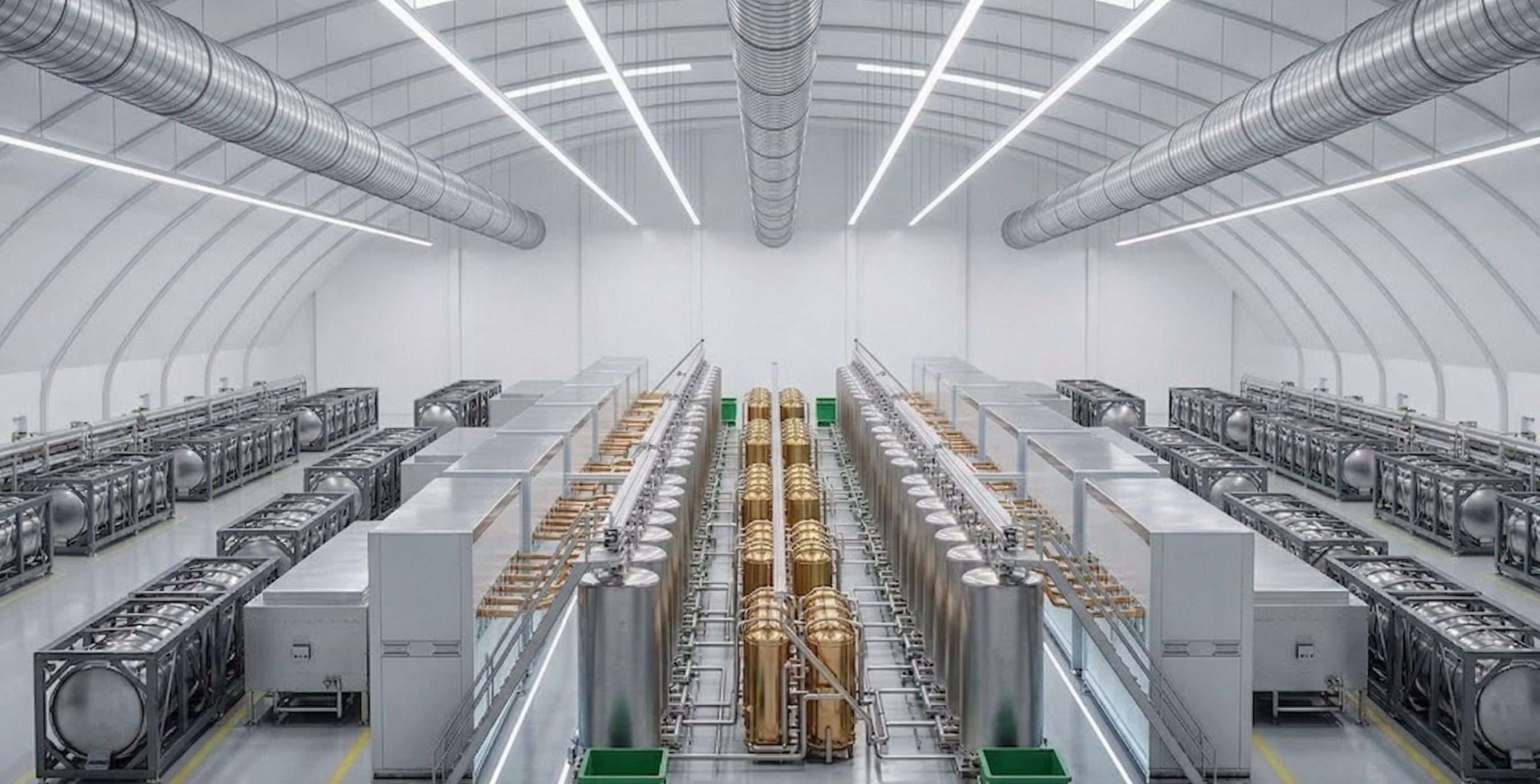
Carbotura converts the residual the Cayman Islands currently land-fills into manufactured Circular Materials — synthetic graphite, graphene compounds, recovered minerals, plus net-positive ultrapure water — by primary elemental dissociation in an oxygen-free process. Not landfill, not incineration, not waste-to-energy: manufacturing, on an island where a combustion plant has already been contracted and terminated once.
GOCI’s disposal cost is estimated at $160/ton, anchored to the terminated ReGen rate of $163/ton. The Beneficiation Fee is set at $100/ton, escalating 2.5%/yr — at Phase Initial (200 TPD, 73,000 TPY) that is $7.30M in Year 1. Carbotura funds 100% of the facility; GOCI commits feedstock, not capital.
Beginning 13 months after the first Beneficiation Fee payment, GOCI receives a rolling monthly Circular Royalty™ — $8.76M in Year 2 at Phase Initial, 120% of that year’s fee, adding a percentage point every year. Over the 30-year term that is approximately $437M gross at Phase Initial and $1.20B at 550 TPD. Fee and royalty are two transactions and are shown separately throughout.
Why this fits
The George Town Landfill is the primary disposal destination for Cayman Islands MSW. Capacity projections indicate it will reach maximum fill by approximately 2031. No replacement landfill has been permitted. The ReGen contract termination has removed the previously planned diversion pathway, leaving the landfill deadline unaddressed.
The $17.7 million ReGen termination cost represents sunk public expenditure on a solution that was not delivered. A CSA with Carbotura is not a repeat of that procurement model. Carbotura's BOO structure — Build-Own-Operate — means Carbotura funds, builds, and operates the facility. GOCI does not commit capital to plant construction.
At $100 per ton, the Beneficiation Fee is materially below Cayman's blended feedstock-weighted disposal cost of approximately $160 per ton. From the first delivery, GOCI is paying less per ton for the same material than under the current system — before any royalty returns are considered.
Circular Royalty™ payments begin 13 months after corresponding Beneficiation Fee payments and ramp to full run-rate on a rolling basis. At $120 per ton in Year 2 — 120% of the current-year Beneficiation Fee — the royalty exceeds the fee from the outset of the royalty period. At steady state, the Circular Royalty™ is designed to exceed the Beneficiation Fee on a per-ton basis.
The CSA locks the Beneficiation Fee with a predictable 2.5% annual escalator, establishes a structured royalty return stream, and runs for 30 years with perpetual continuation unless either party serves a 24-month Non-Renewal Notice. The current system — a depleting landfill with no committed replacement — offers neither cost certainty nor a viable 2031 pathway.
The structure, stated once
The Beneficiation Fee and the Circular Royalty™ are independent gross transactions with different payers. They are reported separately and never netted against one another.
The same physical mass is counted once in each of three dimensions — asset, revenue, attributes — and never summed as three independent masses.
Build-Own-Operate. Carbotura funds 100% of capital at every phase. The counterparty commits feedstock, not money.
One Circular Supply Agreement
+ Circular Royalty™
- Beneficiation Fee: $100–150/tonne · set at Term Sheet against the verified FWDC · 2.5%/yr escalator
- Circular Royalty™: 120% of the current-year Beneficiation Fee in Year 1 ($120–180/tonne), +1pp/yr, uncapped
- Royalty commencement: 13 months after the first Beneficiation Fee payment, rolling monthly on delivered tonnage
- Perpetual CSA, 30-year minimum term · Build-Own-Operate · zero counterparty capital
- Feedstock transfers under the CSA — ownership and liability pass at collection or delivery
- Accounting basis: IFRS (IAS 37 provision treatment per Cayman public accounts)
George Town Landfill is carried as an Exogenesis™ candidate — converting accumulated legacy material into a Legacy Remediation Royalty alongside the primary CSA. Subject to feedstock characterisation during the Joint Working Group phase; not part of the base case.
Subject to characterisationKey figures at a glance
Circular Royalty™ projections by phase
Beneficiation Fee and Circular Royalty™ shown independently per the Separate Transaction Principle. No figure on this page nets one against the other.
| Capacity | Annual TPY | Beneficiation Fee · Year 1 | Circular Royalty™ · Year 1 basis | 30-Year Gross Royalty | Direct FTE |
|---|---|---|---|---|---|
| 200 TPD ← Phase Initial | 73,000 | $7.30M | $8.76M | ~$437M ESTIMATED | ~50 |
| 550 TPD · Phase Expanded | 200,750 | $20.08M | $24.09M | ~$1.20B ESTIMATED | ~140 |
FWDC $160/ton ESTIMATED. Beneficiation Fee $100/ton. Circular Royalty™ (Year n) = (120% + (n−1)pp) × that year’s Beneficiation Fee; payments commence 13 months after the first fee payment and roll monthly. 30-Year Gross Royalty is gross royalty over 30 payments. Fee and royalty are independent gross transactions and are not netted anywhere in this document.